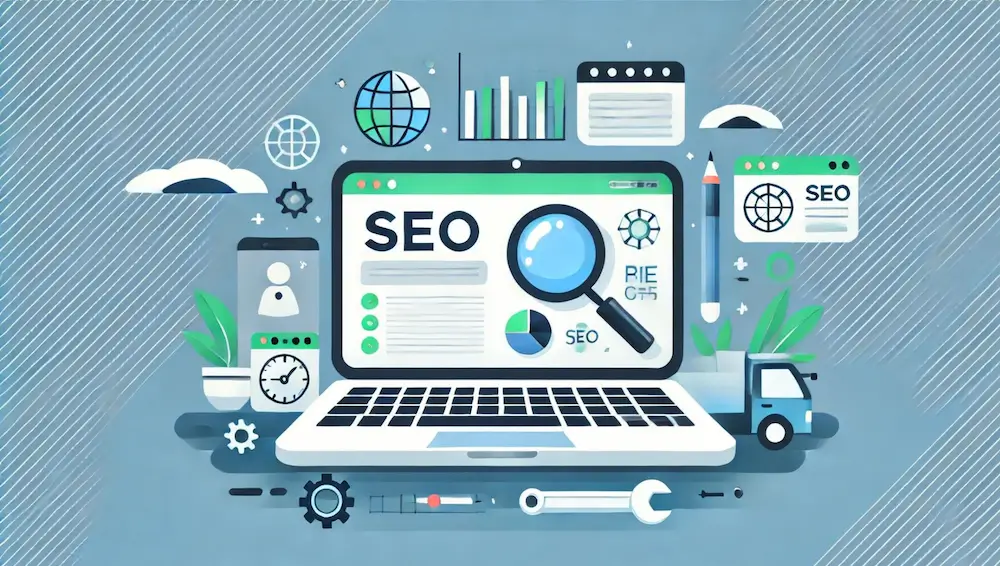
What’s the best way to structure a product page?
“`html
Understanding the Importance of a Well-Structured Product Page
A well-structured product page is crucial for converting visitors into customers. It serves as the digital storefront for your products, showcasing their features, benefits, and unique selling propositions. When potential buyers land on your product page, they should immediately understand what you are offering and why it is valuable. A clear and organized layout not only enhances user experience but also improves search engine optimization (SEO), making it easier for your target audience to find your products online. By addressing the question, “What’s the best way to structure a product page?”, we can explore the essential elements that contribute to an effective product presentation.
Key Elements of a Product Page Structure
To effectively structure a product page, several key elements must be included. These elements work together to create a cohesive and informative experience for the user. Start with a compelling product title that includes relevant keywords to enhance SEO. Following the title, high-quality images of the product should be prominently displayed, allowing customers to visualize what they are purchasing. Additionally, including a video demonstration can significantly increase engagement and provide a more comprehensive understanding of the product. Each of these elements plays a vital role in answering the question, “What’s the best way to structure a product page?” by ensuring that potential customers have all the information they need at their fingertips.
Product Descriptions That Sell
The product description is a critical component of any product page. It should be detailed, informative, and persuasive, highlighting the product’s features and benefits. Use bullet points to break down key specifications, making it easy for users to scan the information quickly. Incorporate relevant keywords naturally throughout the description to improve SEO without compromising readability. Additionally, consider including customer testimonials or reviews within the product description to build trust and credibility. This approach not only answers the question of how to structure a product page effectively but also enhances the likelihood of conversion by addressing potential customer concerns.
Pricing and Availability Information
Clearly displaying pricing and availability is essential for a well-structured product page. Customers want to know the cost upfront, so ensure that the price is prominently featured near the product title or image. If applicable, include any discounts, promotions, or shipping costs to provide a complete picture of the total expense. Additionally, indicate stock availability to create a sense of urgency, encouraging customers to make a purchase decision quickly. By addressing these aspects, you can significantly improve the user experience and answer the question, “What’s the best way to structure a product page?” effectively.
Call-to-Action Buttons
A strong call-to-action (CTA) is vital for guiding users toward the next steps in their purchasing journey. The CTA button should be prominently displayed and use action-oriented language, such as “Add to Cart” or “Buy Now.” Ensure that the button stands out visually, using contrasting colors and strategic placement on the page. Additionally, consider adding secondary CTAs, such as “Add to Wishlist” or “Compare Products,” to provide users with more options. By implementing effective CTAs, you can enhance the overall structure of your product page and improve conversion rates.
Mobile Optimization
With an increasing number of consumers shopping on mobile devices, optimizing your product page for mobile is non-negotiable. A responsive design ensures that your product page looks great and functions well on all screen sizes. Pay attention to loading times, as slow pages can lead to high bounce rates. Simplify navigation and ensure that buttons are easily clickable on smaller screens. By prioritizing mobile optimization, you not only enhance the user experience but also align with SEO best practices, answering the question, “What’s the best way to structure a product page?” in a modern context.
SEO Best Practices for Product Pages
Incorporating SEO best practices into your product page structure is essential for driving organic traffic. Use descriptive, keyword-rich URLs that reflect the product name and category. Optimize meta titles and descriptions to include relevant keywords, enticing users to click through from search engine results. Additionally, utilize header tags (H1, H2, H3) appropriately to create a clear hierarchy of information. Implementing schema markup can also enhance your product listings in search results, providing additional context to search engines. By following these SEO strategies, you can effectively answer the question, “What’s the best way to structure a product page?” while boosting your visibility online.
Integrating Social Proof
Social proof is a powerful tool in influencing purchasing decisions. Integrating elements such as customer reviews, ratings, and user-generated content on your product page can significantly enhance credibility. Displaying positive feedback prominently can reassure potential buyers about the quality of your product. Consider including a section for customer photos or videos showcasing the product in use. This not only adds authenticity but also helps answer the question, “What’s the best way to structure a product page?” by fostering trust and encouraging conversions.
Easy Navigation and Related Products
Facilitating easy navigation on your product page is essential for enhancing user experience. Include breadcrumb navigation to help users understand their location within your site. Additionally, showcasing related products or accessories can encourage cross-selling and increase average order value. Implementing a “Customers Also Bought” section can guide users toward complementary items, effectively answering the question, “What’s the best way to structure a product page?” by keeping users engaged and exploring more of your offerings.
“`